
continente americano.
When thinking of symbolic dates for the peoples of the Americas, few are as significant as the bicentennial of Peru’s independence. Lima, with its vibrant cultural and historical life, has become the central stage for these celebrations, transforming the perspective of both Peruvians and all of us who, through ¡Buenos días, América!, seek to understand deep connections between the past and present on our continent. continente americano.
The bicentennial is not just about the past, but mainly about the future we want to build together in the Americas. continente americano.
The context of the bicentennial: why Lima?
On July 28, 1821, Lima was the epicenter of national independence. Two centuries later, the city reaffirms this historical role. According to data from the National Institute of Statistics and Informatics (INEI), Lima concentrates almost 30% of the Peruvian population, over 9 million inhabitants. It is no coincidence that celebrations, exhibitions, and debates about the meaning of being American in the 21st century converged there. continente americano.
In our experience as the ¡Buenos días, América! team, we have perceived how significant historical milestones gain new strength in symbolic cities, revitalizing both memories and dialogue with contemporary issues. continente americano.
Building American identity: more than a holiday
Celebrating independence also means reviewing the ways in which peoples construct their identity. In Lima, since 2021, initiatives focused on cultural recovery and plurality have grown. The virtual exhibition “Independence: Images in Construction,” launched by the Bicentennial Special Project, revealed paintings, objects, and documents that challenge traditional versions and propose new interpretations of this national birth (learn more about the virtual exhibition). continente americano.
These activities allowed for a closer look at the indigenous, Afro-descendant, and female voices that have been overshadowed for so long in official narratives.
- Digital exhibitions made the heritage accessible to all, overcoming geographical barriers;
- Discussion panels and international seminars rethought what autonomy and citizenship mean in Latin America;
- Decentralized cultural experiences encouraged the participation of local communities.
Plurality as a contemporary value
We recognize that by presenting different perspectives on independence, Lima calls us to rethink the concept of continental citizenship. In many events, debates arose about racism, the rights of indigenous communities, and economic inequalities, highlighting ongoing challenges.
Lima, a stage for memory and cultural innovation
The Peruvian capital reinvents itself every year. In the National Holidays of 2021, for example, the Municipality of Lima promoted innovative cultural programs, such as the “1K Culture Route,” a walking tour that, in addition to celebrating history, invited the public to occupy public spaces with art and music.
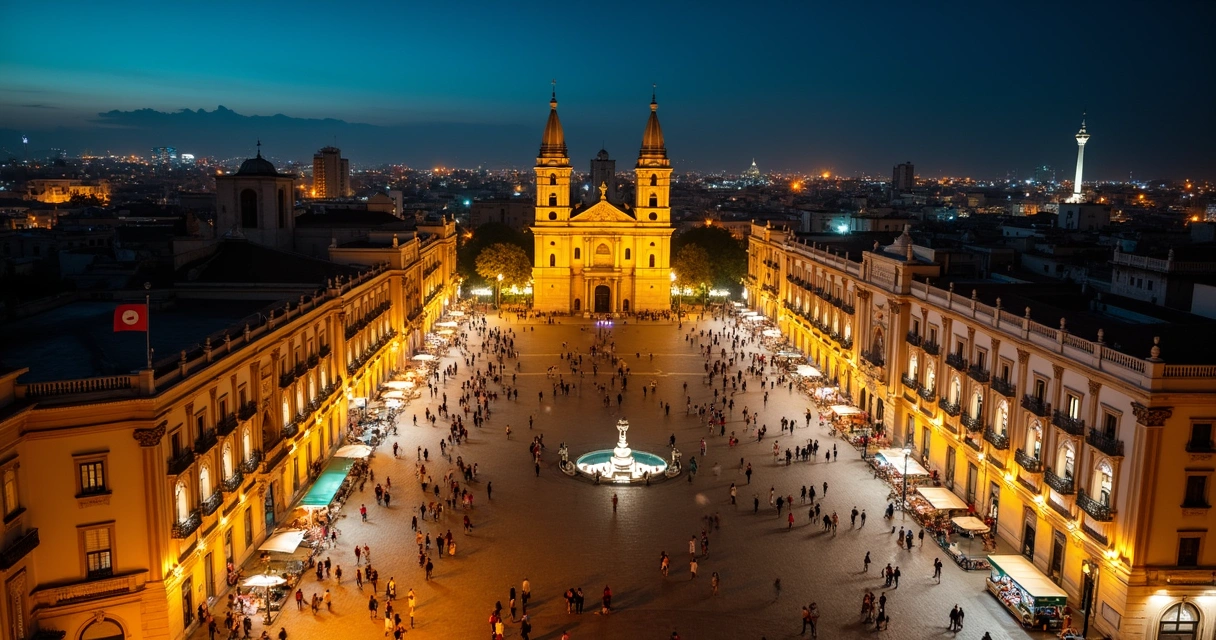

These actions show how memory can coexist with novelty, turning the celebration into a participatory event rather than just a formal one. With every step on the central streets of Lima, we feel that history is alive, in constant dialogue with the present.
Libraries, documents, and the value of preservation
Another symbolic event was the bicentennial of the National Library of Peru in August 2021. Founded shortly after independence, it represents a collective commitment to the recording and dissemination of knowledge. The Municipal Library of Lima, for its part, exhibited the Original Act of Independence to the general public (exhibition of the Original Act), bringing generations closer to their own past.
Access to historical documents reminds us: freedom is built every day, and knowledge is its greatest ally.
International impact: The bicentennial seen from the Americas
Participating in global spaces, the Peruvian celebration resonated in other American nations, fostering a continental sentiment. This was evident in the seminars held with specialists from Mexico, Argentina, Brazil, and Canada, as we showed in the analysis of what the world needs to know about the American continent.
The bicentennial is an invitation to celebrate, reflect, and build bridges between the countries of the Americas.
Following these debates showed how, despite local differences, there are shared values, such as the desire for social justice and the recognition of our diverse roots.
Gostou do nosso conteúdo? Considere apoiar o Bom Dia América Blog.
Apoie o Blog!