

Football is made of passion, tradition and, often, details that mark an entire generation. When we think about national team kits during the World Cups, we know that emotional memory is powerful. Now, in this period leading up to the planet’s biggest tournament, we face a topic that rekindles debates about technology, design and identity: Nike’s shirts for the 2026 World Cup are in the spotlight, not only for innovation, but for a controversial volume on the shoulders.
We, at Bom dia, América!, decided to present an analysis organized into seven facts to offer an in-depth perspective, of real value to readers interested in the meaning of this moment. We took into account fans’ opinions, reports from specialized press, and global trends in sport and consumption.
1. The shirt launches and the immediate impact
When Nike revealed the shirts of the main national teams for the next edition of the global tournament, the initial impact was positive. The kits of the United States, France, England, Canada and Uruguay stood out right away. The graphic details, vibrant colors and aesthetic appeal brought enthusiasm to fans and athletes, especially because the kits reflect cultural elements of each country.
The United States model, for example, was praised for its modernity and alignment with local pop culture. France and England followed classic lines with innovative touches, while Canada and Uruguay surprised with a visual freshness and new symbols in their national mantles. These shirts are not just sportswear – they are symbols of identity and hope for millions.
However, this positive reception quickly gave way to debate, raising criticism from all sides.
2. The “bulky shoulder”: the visible flaw and likely causes
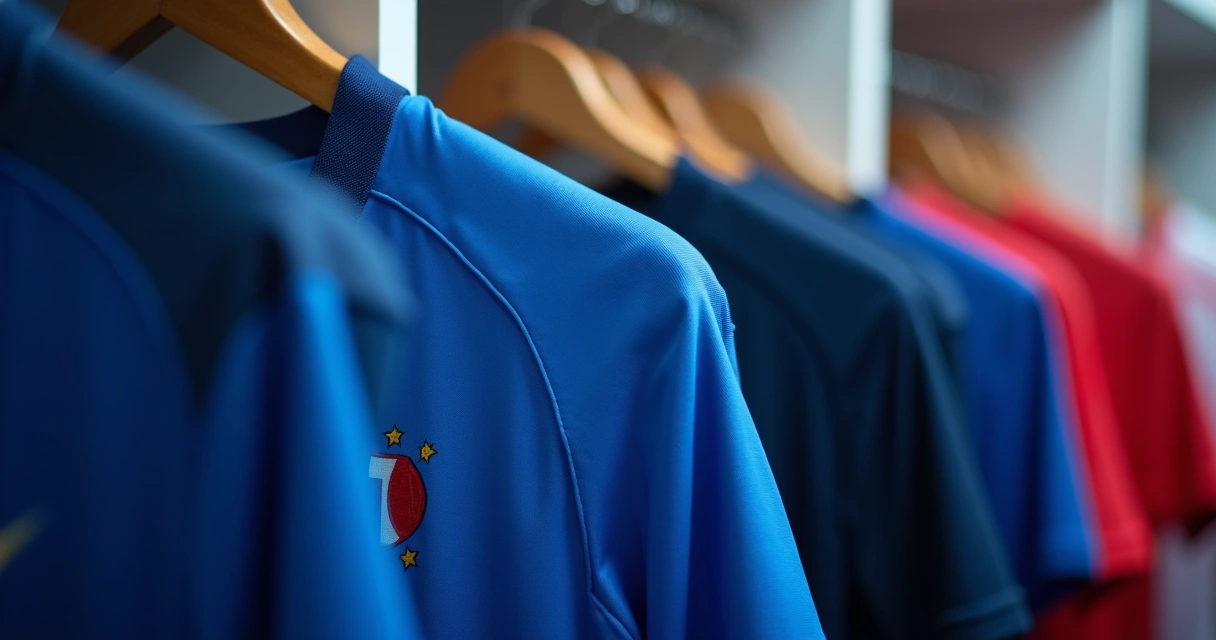
It was enough for the kit to be worn by players in friendlies and official events for a detail to catch the eye. On some shirts, especially those of France and Uruguay, a strange volume was observed in the shoulder seam. The topic gained traction after being noticed on social media: the volume, almost a “shoulder pad”, became clear especially when Kylian Mbappé, the French star, and Uruguayan players appeared on the field.
In Uruguay, the effect was so striking that comparisons were made to the villain Shredder from the comics. In the United States, the problem was less noticeable, perhaps thanks to the cut and drape of the model.
Early analyses suggested that the defect arose from the sewing and finishing process of the Aero-FIT technology, which uses artificial intelligence and different methods in the knitting of the fabric. Some also point to an error in joining the upper and lower parts of the uniform panel, generating this excess fabric on the shoulders.
Fans do not forgive: every imperfection, however small, becomes a topic of worldwide discussion.

3. Fans’ reactions: viral frustration and DIY fixes
The topic quickly spread across Twitter, Facebook and football-dedicated forums. Memes, amateur technical analyses, reports of dissatisfaction and ironies flooded feeds. Many fans, upon receiving their shirts, which can cost between 100 and 200 dollars, expressed disappointment with the “Shredder’s armpit”.
Some attempts at solutions appeared: users reported using garment steamers or special washes in an attempt to reduce the volume. But most reported little or no practical effect. Some chose to return the item, while others decided to wear the shirt as a form of protest, displaying the flaw with ironic pride.
Criticism intensified when broad-shouldered people reported extra discomfort, making it difficult to adapt to the kit. The annoyance with the inadequate fit adds a concern for amateur athletes and fans, especially given the considerable investment in the piece.
- Frustration with the high cost of defective shirts;
- Comparisons to villains and characters from pop culture;
- Failed homemade correction attempts;
- Dissatisfaction from those seeking ready-to-use comfort;
- Memes going viral among fans of the affected national teams.
These reactions illustrate the symbolic and emotional importance that the kit carries, going beyond the simple realm of sportswear.
4. Nike responds: acknowledgment of the error and logistical challenge
When a design error reaches this global magnitude, the manufacturer cannot remain silent. Nike, in an official statement, acknowledged the problem, making it clear that:
Athlete performance was not affected, but the appearance left much to be desired.
The company stated it is in contact with federations and suppliers, analyzing the possibility of adjustments or even compensation for dissatisfied consumers. However, there is a significant logistical issue: with just over two months left until the start of the tournament, millions of pieces have already been sold and distributed around the world. Correcting the issue on a large scale is, according to a detailed logistics analysis, almost impossible at this time.
For most consumers, the problem is less about a possible free exchange, and more about the feeling of having purchased a collectible that does not deliver the expected visual and comfort standards.
We, at Bom dia, América!, noticed how consumers’ reports become even more sensitive when considering the high value of the kits, as pointed out in the report on fans about the shoulder pad effect.
5. Aero-FIT and sustainability: cutting-edge technology combined with innovative design
If there is one area where Nike did not spare effort, it was in the search for intelligent materials. The new generation of shirts was developed based on the Aero-FIT system, a thermoregulating fabric, the result of computational design and automated knitting. The project uses algorithms and artificial intelligence to create ventilation zones and perfect sequencing between physical performance and comfort.
Another unprecedented environmental highlight: the 2026 shirts are also made with textile waste, not just recycled plastic bottles. It is the first time fibers from old kits are officially incorporated into the garments of major national teams, consolidating a new step toward circularity in sport.
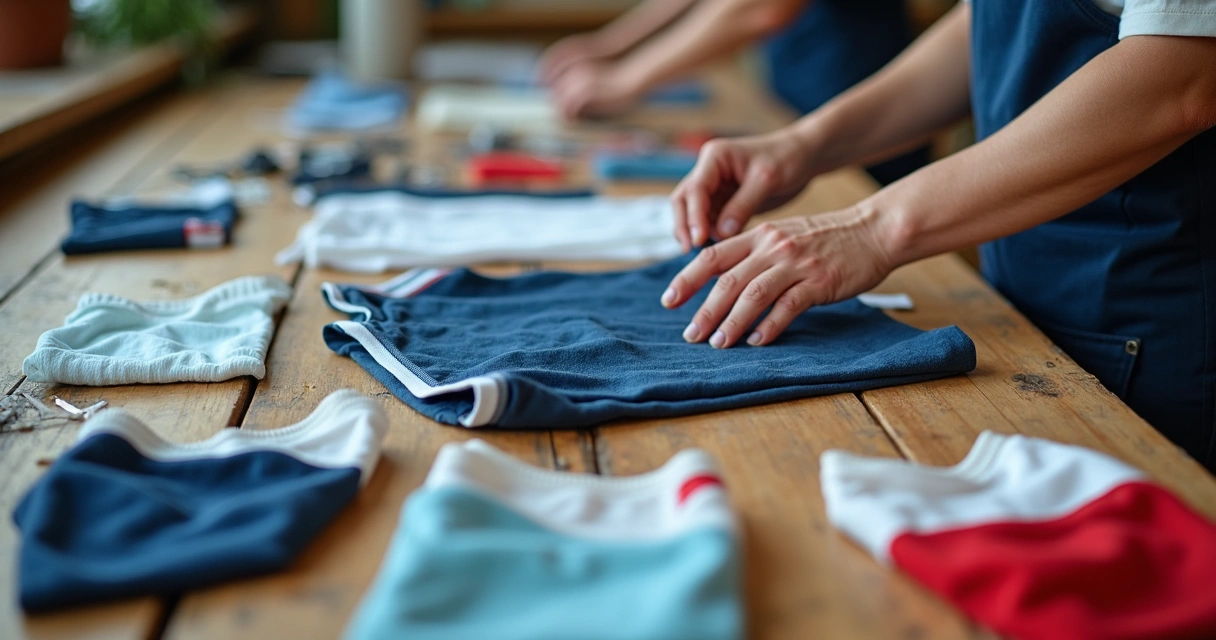
This technological refinement, however, did not prevent the bulky seam problem. It became clear that advances in algorithms and sustainability must go hand in hand with traditional quality controls, such as fine inspection of finishes.
6. Nike’s history in football: tradition, evolution and long-term contracts
To understand the impact of a flaw of this magnitude, we cannot forget the brand’s weight in the history of world football. Nike’s official entry into the sport took place in the United States in 1979, supplying kits to the Portland Timbers. A few years later, in 1983, the brand dressed Sunderland in England, beginning its European journey.
The first national team kit developed by Nike was Nigeria’s in 1994, already in the wake of football’s globalization. Gradually, the manufacturer established long-term contracts with heavyweight national teams: United States, England, France, Portugal, among others.
Today, for example, the agreement with the United States federation was renewed until 2033, England’s runs until 2030, and France has a partnership signed until 2026. This means not only supplying kits, but involvement in social projects, targeted sponsorships and, evidently, large global campaigns. Learn more about the context of football on the American continent in our wide-view reports in our analysis on football, soccer and rugby in the Americas.
The responsibility to innovate and respond to fashion, environmental and sporting trends has been constant, which further highlights the surprise at such striking visual flaws in this pre-tournament cycle.
7. The future of the kit: redesign, compensation or reinterpretation?
With the tournament at the doorstep, options are limited for Nike and the federations. Indications point to there being no time, or logistical conditions, to replace all kits already released. The company signals, however, a willingness to seek solutions, discussing compensation and assistance to consumers. As the article details, a deep redesign proves unfeasible due to the volumes already in circulation.
Meanwhile, many fans have “adopted” the unusual look as part of tradition, creating their own meaning for the flaw. Some say that in the future, these shirts will become rare collectible objects, valued for their uniqueness. Others demand an “urgent redesign,” calling for responsibility and aesthetic commitment from one of the main symbols of contemporary football.
In practice, the company committed, in a statement, to seek continuous improvement, admitting the error and reaffirming that it will work to correct the detail and ensure that athletes and fans can wear shirts worthy of world football.
We failed on this detail, but we continue in search of the perfect kit.
Studies and lessons beyond the pitch
This discussion about design, innovation and tradition in shirts is not isolated. It reflects much broader trends, involving conscious consumption, national identity and the cultural changes of sport. In our articles on the impacts of major tournaments on club football and on changes in fans’ experiences in light of the SAF model, it is clear that small flaws gain huge repercussion in times of social media and intense emotional ties.
Kits are indeed high-value merchandise, but also repositories of affections, memories and national pride. By turning technical details into public discussions, society broadens the debate about innovation, productive efficiency, sustainable consumption and the demands of a new generation of fans.
The evolution of international sportswear matters to the American continent especially because this World Cup takes place on American soil, bringing climatic, technological and symbolic challenges. In the context of the Americas’ soft power, kits play a visible and invisible role in relations between peoples, brands and global traditions.
Tips: products and content for those who love shirts and sports
For those who wish to expand their collection or understand more about the world of kits and the sports industry, we suggest some interesting options available on Amazon and Hotmart:
- Official Nike Brazilian National Team Shirt – Ideal for those who want to wear the same technology as the national teams.
- Book “The Best Football Shirts in the World” – A visual guide with historical analysis of great kits.
- Online Course: Modern Sports Uniform Design – For those interested in understanding how current technologies were born, including digital design and international trends.
These products and contents allow fans, collectors and sports professionals to draw parallels between past, present and future in the relationship between sports fashion and national identity.
Discussing Nike’s shirts already in the preparations for the next World Cup is, ultimately, looking at the role sport plays in our lives and in American societies. In our studies and research at the Bom dia, América! project, we always seek to broaden the view: kits amaze, but a simple detail can provoke a wave of cultural, economic and even political questions.
In football, every detail matters because by wearing a shirt, the player, the fan and even the collector celebrate history, pride and belonging.
Now, faced with the volume on the shoulders, there is a collective choice: turn a flaw into a symbol or demand quick changes? A debate that says a lot about the present of the sport, its mobilizing power and its capacity to reinvent itself.
Continue following critical, up-to-date and human content about football and culture in the Americas in our sports analyses. If you value independent opinion, in-depth analyses and hot news about the continent, subscribe to our newsletter and support the Bom dia, América! project so we can continue telling these and other stories alongside you.
References (ABNT):
- EXAME. Nike presents recycled uniforms for the 2026 World Cup. Available at: https://exame.com/casual/nike-apresenta-uniformes-reciclados-para-a-copa-de-2026/. Accessed on: 01 Jul. 2024.
- ITATIAIA. Nike shirts produced for the World Cup have a defect; see. Available at: https://www.itatiaia.com.br/esportes/futebol/futebol-internacional/copa-do-mundo/copa-do-mundo-camisas-da-nike-produzidas-para-a-copa-tem-defeito-veja/. Accessed on: 01 Jul. 2024.
- TERRA. 2026 World Cup shirts show flaws and challenge large-scale correction. Available at: https://www.terra.com.br/esportes/futebol/internacional/franca/camisas-da-copa-2026-exibem-falhas-e-desafiam-correcao-em-larga-escala%2Cb64ba745e6de4fbdc5777f68e38400b41t1ut0t9.html. Accessed on: 01 Jul. 2024.
- VEJA. The flaw in Nike’s uniforms for the World Cup. Available at: https://veja.abril.com.br/esporte/a-falha-nos-uniformes-da-nike-para-a-copa-do-mundo/. Accessed on: 01 Jul. 2024.
🔗 Ofertas e recomendações