



Economia americana
economia americana.
{“@context”: “https://schema.org”, “@type”: “NewsArticle”, “headline”: “The Impact of Artificial Intelligence on the Labor Market and Economy of the Americas”, “description”: “{“@context”: “https://schema.org”, “@type”: “NewsArticle”, “headline”: “The Impact of…”, “image”: “https://bomdiaamericablog.com/wp-content/uploads/2025/12/205.png”, “datePublished”: “2025-12-13T12:27:20”, “dateModified”: “2025-12-21T23:35:32”, “author”: {“@type”: “Person”, “name”: “Antonio Carlos Faustino”}, “publisher”: {“@type”: “Organization”, “name”: “Bom Dia América Blog”, “logo”: {“@type”: “ImageObject”, “url”: “https://bomdiaamericablog.com/logo.png”}}, “mainEntityOfPage”: {“@type”: “WebPage”, “@id”: “https://bomdiaamericablog.com/the-impact-of-artificial-intelligence-on-the-labor-market-and-economy-of-the-americas/”}}
{“@context”: “https://schema.org”, “@type”: “NewsArticle”, “headline”: “The Impact of Artificial Intelligence on the Labor Market and Economy of the Americas”, “description”: “Artificial intelligence (AI) is revolutionizing the job market and economy throughout the Americas. From the United States to Latin America, […]”, “image”: “https://bomdiaamericablog.com/wp-content/uploads/2025/12/205.png”, “datePublished”: “2025-12-13T12:27:20”, “dateModified”: “2025-12-21T23:13:23”, “author”: {“@type”: “Person”, “name”: “Antonio Carlos Faustino”}, “publisher”: {“@type”: “Organization”, “name”: “Bom Dia América Blog”, “logo”: {“@type”: “ImageObject”, “url”: “https://bomdiaamericablog.com/logo.png”}}, “mainEntityOfPage”: {“@type”: “WebPage”, “@id”: “https://bomdiaamericablog.com/the-impact-of-artificial-intelligence-on-the-labor-market-and-economy-of-the-americas/”}}
{“@context”: “https://schema.org”, “@type”: “NewsArticle”, “headline”: “The Impact of Artificial Intelligence on the Labor Market and Economy of the Americas”, “description”: “Artificial intelligence (AI) is revolutionizing the job market and economy throughout the Americas. From the United States to Latin America, […]”, “image”: “https://bomdiaamericablog.com/wp-content/uploads/2025/12/205.png”, “datePublished”: “2025-12-13T12:27:20”, “dateModified”: “2025-12-13T12:27:30”, “author”: {“@type”: “Person”, “name”: “Antonio Carlos Faustino”}, “publisher”: {“@type”: “Organization”, “name”: “Bom Dia América Blog”, “logo”: {“@type”: “ImageObject”, “url”: “https://bomdiaamericablog.com/logo.png”}}, “mainEntityOfPage”: {“@type”: “WebPage”, “@id”: “https://bomdiaamericablog.com/the-impact-of-artificial-intelligence-on-the-labor-market-and-economy-of-the-americas/”}}
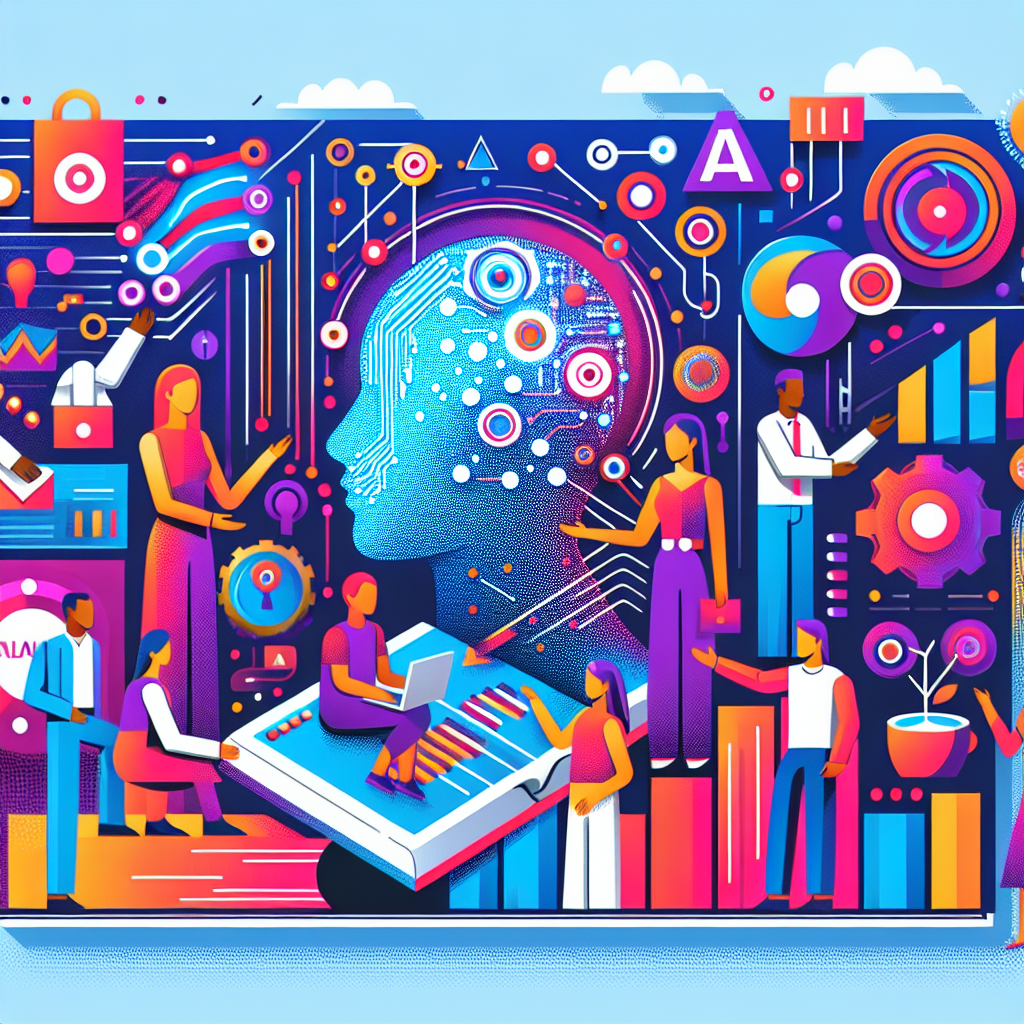
Artificial intelligence (AI) is revolutionizing the job market and economy throughout the Americas. From the United States to Latin America, AI is making significant strides in various sectors, promising to profoundly transform the way work is performed and wealth is generated. This technological evolution presents both challenges and opportunities, prompting governments and companies to adapt to this new era. AI’s role as a productivity engine is undeniable, with its potential to significantly enhance productivity across diverse industries.
AI-based tools, including machine learning, natural language processing, and robotics, are streamlining processes, reducing operational costs, and enabling greater efficiency. In North America, large corporations are utilizing AI to automate bureaucratic functions, personalize services, and enhance decision-making. In Latin America, both startups and established companies are embracing AI to optimize logistics, predict consumer behaviors, and combat financial fraud. These advancements highlight AI’s critical role in economic growth across the Americas (Brynjolfsson & McAfee, 2014).
While AI automation can replace certain roles traditionally performed by humans, particularly those involving repetitive tasks, it also generates new employment opportunities. Sectors such as banking, transportation, and customer service are witnessing a decline in demand for human labor due to the adoption of chatbots, automated data analysis, and autonomous vehicles. Conversely, new professions are emerging in fields like data science, software engineering, and cybersecurity. The key challenge is reskilling the workforce to prepare workers for these new roles (Harari, 2016).
(adsbygoogle = window.adsbygoogle || []).push({});
To ensure AI benefits society as a whole, governments across the Americas must invest in public policies focused on professional training and regulating AI’s ethical use. Initiatives promoting technology education, partnerships with universities to cultivate specialized professionals, and regulatory frameworks to prevent AI misuse are crucial for the technology’s sustainable development. Without these measures, AI risks exacerbating social inequalities, concentrating wealth, and increasing structural unemployment (Schwab, 2016).
In Latin America, where labor market informality is prevalent, AI adoption must be paired with policies ensuring digital inclusion and equitable opportunities. Otherwise, the technology could widen the gap between skilled workers and those lacking access to technological education (West, 2018).
Artificial intelligence is shaping the future of work and the economy in the Americas, presenting both challenges and opportunities. Ensuring this revolution benefits the majority of the population requires investments in professional training, responsible regulation, and inclusive development policies. AI, when used strategically and ethically, can transform the Americas positively, creating skilled jobs and sustainably boosting the economy (Tegmark, 2017).
Impact – Perspectiva 1
(adsbygoogle = window.adsbygoogle || []).push({});
Livros sobre as Américas | Mapas e Atlas Geopolíticos | História da América Latina
BRYNJOLFSSON, Erik; MCAFEE, Andrew. The Second Machine Age: Work, Progress, and Prosperity in a Time of Brilliant Technologies. New York: W.W. Norton & Company, 2014.
HARARI, Yuval Noah. Homo Deus: A Brief History of Tomorrow. New York: Harper, 2016.
(adsbygoogle = window.adsbygoogle || []).push({});
Impact – Perspectiva 2
SCHWAB, Klaus. The Fourth Industrial Revolution. New York: Crown Business, 2016.
TEGMARK, Max. Life 3.0: Being Human in the Age of Artificial Intelligence. New York: Alfred A. Knopf, 2017.
WEST, Darrell M. The Future of Work: Robots, AI, and Automation. Washington, D.C.: Brookings Institution Press, 2018.
(adsbygoogle = window.adsbygoogle || []).push({});
Apoie o Bom Dia América Blog
Sua contribuição nos ajuda a continuar trazendo análises profundas sobre as Américas.
Contribuir Agora
Apoie o Bom Dia América Blog
Sua contribuição nos ajuda a continuar trazendo análises profundas sobre as Américas.
Contribuir Agora economia americana.
Apoie o Bom Dia América Blog
Sua contribuição nos ajuda a continuar trazendo análises profundas sobre as Américas.
Contribuir Agora economia americana.
Apoie o Bom Dia América Blog
Sua contribuição nos ajuda a continuar trazendo análises profundas sobre as Américas. economia americana.
Gostou do nosso conteúdo? Considere apoiar o Bom Dia América Blog para que possamos continuar trazendo análises e notícias relevantes sobre as Américas.
🔗 Ofertas afiliadas:
– Amazon: https://www.amazon.com.br/dp/EXEMPLO?tag=ancafa196801-20
– Udemy: https://click.link/EXEMPLO?tag=ancafa1968
– ClickBank: https://www.clickbank.net/EXEMPLO?tag=ancafa1968
🔗 Ofertas afiliadas:
- Amazon: 🛒 Adicione à sua lista de desejos da Amazon para não perder a oferta na Black Friday!
- Udemy: Cursos e Treinamentos
- ClickBank: Confira ofertas exclusivas
🔗 Ofertas afiliadas:
- Amazon: 🛒 Adicione à sua lista de desejos da Amazon para não perder a oferta na Black Friday!
- Udemy: Cursos e Treinamentos
- ClickBank: Confira ofertas exclusivas
🔗 Ofertas afiliadas:
- Amazon: 🛒 Adicione à sua lista de desejos da Amazon para não perder a oferta na Black Friday!
- Udemy: Cursos e Treinamentos
- ClickBank: Confira ofertas exclusivas
🔗 Ofertas afiliadas:
- Amazon: 🛒 Adicione à sua lista de desejos da Amazon para não perder a oferta na Black Friday!
- Udemy: Cursos e Treinamentos
- ClickBank: Confira ofertas exclusivas
🔗 Ofertas afiliadas:
- Amazon: 🛒 Adicione à sua lista de desejos da Amazon para não perder a oferta na Black Friday!
- Udemy: Cursos e Treinamentos
- ClickBank: Confira ofertas exclusivas
🔗 Ofertas afiliadas:
- Amazon: 🛒 Adicione à sua lista de desejos da Amazon para não perder a oferta na Black Friday!
- Udemy: Cursos e Treinamentos
- ClickBank: Confira ofertas exclusivas
🔗 Ofertas afiliadas:
- Amazon: 🛒 Adicione à sua lista de desejos da Amazon para não perder a oferta na Black Friday!
- Udemy: Cursos e Treinamentos
- ClickBank: Confira ofertas exclusivas
🔗 Ofertas afiliadas:
- Amazon: 🛒 Adicione à sua lista de desejos da Amazon para não perder a oferta na Black Friday!
- Udemy: Cursos e Treinamentos
- ClickBank: Confira ofertas exclusivas
🔗 Ofertas afiliadas:
- Amazon: 🛒 Adicione à sua lista de desejos da Amazon para não perder a oferta na Black Friday!
- Udemy: Cursos e Treinamentos
- ClickBank: Confira ofertas exclusivas
🔗 Ofertas afiliadas:
- Amazon: 🛒 Adicione à sua lista de desejos da Amazon para não perder a oferta na Black Friday!
- Udemy: Cursos e Treinamentos
- ClickBank: Confira ofertas exclusivas
🔗 Ofertas afiliadas:
- Amazon: 🛒 Adicione à sua lista de desejos da Amazon para não perder a oferta na Black Friday!
- Udemy: Cursos e Treinamentos
- ClickBank: Confira ofertas exclusivas
🔗 Ofertas afiliadas:
- Amazon: 🛒 Adicione à sua lista de desejos da Amazon para não perder a oferta na Black Friday!
- Udemy: Cursos e Treinamentos
- ClickBank: Confira ofertas exclusivas
🔗 Ofertas afiliadas:
- Amazon: 🛒 Adicione à sua lista de desejos da Amazon para não perder a oferta na Black Friday!
- Udemy: Cursos e Treinamentos
- ClickBank: Confira ofertas exclusivas
🔗 Ofertas afiliadas:
- Amazon: 🛒 Adicione à sua lista de desejos da Amazon para não perder a oferta na Black Friday!
- Udemy: Cursos e Treinamentos
- ClickBank: Confira ofertas exclusivas
🔗 Ofertas afiliadas:
- Amazon: 🛒 Adicione à sua lista de desejos da Amazon para não perder a oferta na Black Friday!
- Udemy: Cursos e Treinamentos
- ClickBank: Confira ofertas exclusivas
🔗 Ofertas afiliadas:
- Amazon: 🛒 Adicione à sua lista de desejos da Amazon para não perder a oferta na Black Friday!
- Udemy: Cursos e Treinamentos
- ClickBank: Confira ofertas exclusivas
🔗 Ofertas afiliadas:
- Amazon: 🛒 Adicione à sua lista de desejos da Amazon para não perder a oferta na Black Friday!
- Udemy: Cursos e Treinamentos
- ClickBank: Confira ofertas exclusivas
🔗 Ofertas afiliadas:
- Amazon: 🛒 Adicione à sua lista de desejos da Amazon para não perder a oferta na Black Friday!
- Udemy: Cursos e Treinamentos
- ClickBank: Confira ofertas exclusivas
🔗 Ofertas afiliadas:
- Amazon: 🛒 Adicione à sua lista de desejos da Amazon para não perder a oferta na Black Friday!
- Udemy: Cursos e Treinamentos
- ClickBank: Confira ofertas exclusivas
🔗 Ofertas afiliadas:
- Amazon: 🛒 Adicione à sua lista de desejos da Amazon para não perder a oferta na Black Friday!
- Udemy: Cursos e Treinamentos
- ClickBank: Confira ofertas exclusivas
🔗 Ofertas afiliadas:
- Amazon: 🛒 Adicione à sua lista de desejos da Amazon para não perder a oferta na Black Friday!
- Udemy: Cursos e Treinamentos
- ClickBank: Confira ofertas exclusivas
🔗 Ofertas afiliadas:
- Amazon: 🛒 Adicione à sua lista de desejos da Amazon para não perder a oferta na Black Friday!
- Udemy: Cursos e Treinamentos
- ClickBank: Confira ofertas exclusivas
🔗 Ofertas afiliadas:
- Amazon: 🛒 Adicione à sua lista de desejos da Amazon para não perder a oferta na Black Friday!
- Udemy: Cursos e Treinamentos
- ClickBank: Confira ofertas exclusivas
🔗 Ofertas afiliadas:
- Amazon: 🛒 Adicione à sua lista de desejos da Amazon para não perder a oferta na Black Friday!
- Udemy: Cursos e Treinamentos
- ClickBank: Confira ofertas exclusivas
🔗 Ofertas afiliadas:
- Amazon: 🛒 Adicione à sua lista de desejos da Amazon para não perder a oferta na Black Friday!
- Udemy: Cursos e Treinamentos
- ClickBank: Confira ofertas exclusivas
🔗 Ofertas afiliadas: